Gaming Cannabis 20oz Tumbler Wrap Review
As a designer who spends more time staring at stitch simulations than I do sleeping, I have learned to be skeptical of digital assets that promise versatility but deliver frustration. When I first pulled the Gaming Cannabis 20oz Tumbler Wrap into my workspace, my initial reaction was one of cautious curiosity. The niche intersection of gaming culture and cannabis aesthetics is booming, but translating that vibe from a screen to a physical, stitched product requires more than just a cool graphic. It requires an understanding of how lines break down under needle pressure and how color gradients hold up on curved or flat surfaces.
This review is not just about whether the file looks good on your monitor. It is about how this design performs when you are trying to meet a deadline for a custom order, how it behaves on different textiles, and whether it adds genuine value to your craft business. Let’s dig into the practical realities of using this asset in real-world embroidery projects.
First Impressions: Mood and Visual Personality
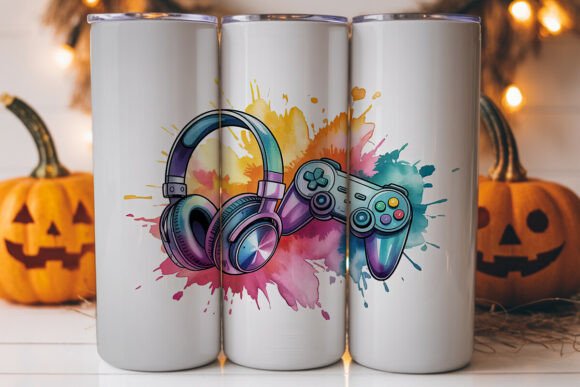
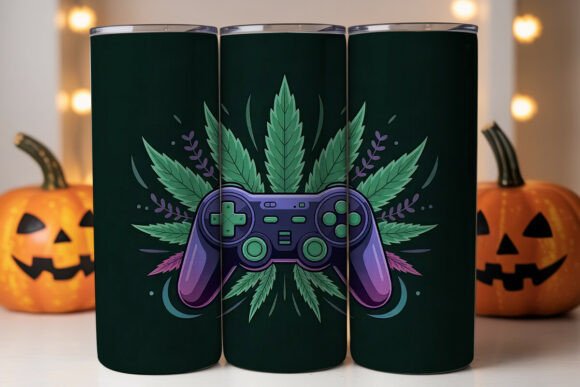
The immediate mood of the Gaming Cannabis 20oz Tumbler Wrap is playful yet edgy. It captures a specific subculture that values relaxation and leisure, blended with the high-energy aesthetic of modern gaming. For an embroidery designer, the layout is the first thing I scrutinize. Does the composition allow for clean stitching, or is it too cluttered? In this case, the design elements appear balanced, offering enough negative space to prevent the fabric from puckering excessively due to high stitch density.
The visual personality here is bold. It is not a subtle, minimalist piece. It demands attention. This makes it ideal for statement pieces rather than understated accents. When I imagine this applied to a sweatshirt embroidery project, I see it working best on the back panel, where the larger surface area can accommodate the width of the design without compromising structural integrity. For smaller applications, like a chest logo, one would need to ensure the details remain legible at a reduced scale.
Real-World Application: Beyond the Tumbler
While the title specifies "Tumbler Wraps," experienced makers know that a high-resolution PNG can serve multiple purposes if handled correctly. However, we must address the elephant in the room: this is a graphic file, not a native machine embroidery design format like PES or DST. This distinction is critical. You cannot send this directly to your embroidery machine. Instead, this file serves as a reference for digitizing, a template for sublimation, or a guide for applique work.
Let’s consider a real-life scenario. Imagine a client wants a custom embroidered patch for their gaming clan. They want something that screams identity. Using the Gaming Cannabis 20oz Tumbler Wrap as a visual base, you could digitize the key elements into an applique design. By using felt or twill as the base fabric for the patch, you reduce the stitch count significantly while maintaining the bold look. The satins stitch borders would define the shapes, while the fill areas could be simplified to prevent the patch from becoming stiff and cardboard-like.
Alternatively, think about a tote bag design for a local head shop or a boutique that caters to this demographic. If you are using this graphic for sublimation on a polyester tote, the 300 DPI resolution provided in the ZIP file is sufficient for crisp printing. But if you are aiming for a textured, premium feel, you might use the graphic as a template for hand-guided embroidery or mixed-media embellishment. The key is understanding that this is a digital embroidery file resource for visualization and planning, not a plug-and-play stitch file.
Navigating Technical Challenges
There are specific scenarios where you need to exercise caution. If you plan to digitize this concept for direct stitching on stretchy fabrics, such as a performance tee or a baby onesie, the complexity of the design could lead to registration issues. Tiny details and sharp corners often get lost or cause thread breaks if the stabilizer is not chosen carefully. For a baby embroidery project, I would strongly advise simplifying the design, removing intricate inner details, and focusing on the main silhouette to ensure durability through multiple wash cycles.
Dark fabrics present another challenge. If the original graphic relies on light colors against a dark background, you must adjust your thread colors strategically. A direct translation might result in poor contrast. I always recommend creating a black-and-white mockup before finalizing the digitization. If the design loses its definition in grayscale, it will likely fail on a dark fabric texture like navy fleece or black denim. In such cases, adding a white underlay or switching to an applique method with contrasting fabric can save the project.
Curved surfaces, such as caps, require special attention. The Gaming Cannabis 200oz Tumbler Wrap dimensions are designed for a cylindrical tumbler, which means the aspect ratio is specific. Placing this directly on a cap without adjusting for the curve will result in distortion. You must warp the design digitally before digitizing to account for the push and pull of the fabric on the crown of the hat. Ignoring this step is a common mistake that leads to unprofessional-looking custom apparel.
Enhancing Product Value and Brand Consistency
Why choose this specific aesthetic? Because it speaks directly to a targeted audience. For an Etsy seller or small shop owner, niche designs drive engagement. A generic floral pattern might appeal to many, but a specialized gaming-cannabis motif builds a loyal community. When customers see a personalized gift that reflects their specific hobbies, they perceive higher value. This translates to better pricing power and increased customer trust.
Using high-quality graphics like this in your printable mockup previews also elevates your brand presentation. Even if the final product is embroidered, showing a realistic preview helps buyers visualize the end result. It demonstrates professionalism and attention to detail. However, always ensure that your final finished product matches the quality of the preview. If the stitching is messy or the colors are off, the initial visual appeal means nothing.
Practical Designer Notes
Before you commit to producing this design for a client or your inventory, follow these steps:
- Test on Scrap Fabric: Always run a test stitch-out on the same material you intend to use for the final product. This reveals tension issues and color clashes early.
- Check Licensing: The product description mentions a ZIP file with PNGs. Verify the commercial use rights. Can you sell items made with this design? Can you resell the digital file? Never assume; always read the license terms provided by the creator.
- Verify Resolution: The file is listed as 300 DPI. Confirm this by opening the image at 100% zoom. Pixelation at this stage means it is not suitable for large-scale prints or detailed digitizing references.
- Consider Stabilizer Choice: For dense designs, a cut-away stabilizer is often safer than tear-away, especially on knit fabrics, to prevent distortion over time.
- Mockup Variations: Create mockups on both light and dark backgrounds. This helps you plan your thread palette and decide if an underlay is necessary.
In conclusion, the Gaming Cannabis 20oz Tumbler Wrap is a potent visual asset for designers who understand its limitations and potential. It is not a magic bullet for instant embroidery success, but rather a strong foundation for creative adaptation. Whether you are creating holiday embroidery gifts, stocking your small shop product line, or developing design assets for commercial clients, this graphic offers a trendy, relevant aesthetic. Treat it with the technical respect it deserves, digitize or print with precision, and it will serve as a valuable component in your creative toolkit.