Vintage Gamer Dad Design: A Pro Review for Embroidery
As someone who spends most of their day digitizing files and stitching out samples for clients, I approach every new machine embroidery design with a critical eye. It is not just about whether the image looks cute on a screen; it is about how those lines translate into thread, how the stitch density behaves on different fabric textures, and whether the final finished product will hold up to washing and wearing. Recently, I evaluated the Vintage Gamer Dad Father Loves Gaming graphic to see if it translates well from a digital asset into a tangible, high-quality embroidered item. This review breaks down the practical realities of using this design in a real-world craft business or personal project.
First Impressions and Visual Personality
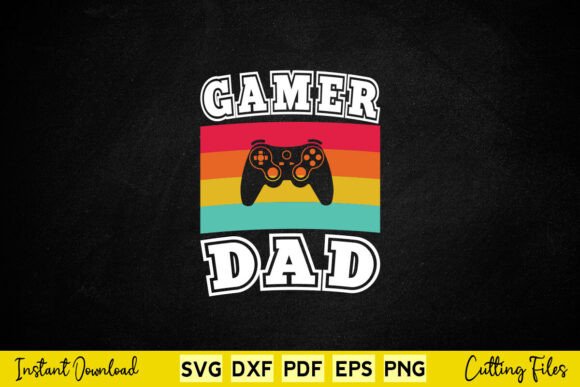
When I first pulled up the Vintage Gamer Dad Father Loves Gaming file, the immediate takeaway was its nostalgic charm. The aesthetic leans heavily into retro gaming culture, which is currently having a massive moment in custom apparel. For an embroidery project, the layout appears clean, but the "vintage" aspect often implies distressed lines or specific typography that requires careful handling. In the world of Graphics and Crafts, a design like this needs to balance detail with stitchability. If the lines are too thin or the details too intricate, they can get lost in the thread buildup or cause registration issues on lower-end machines.
The mood this design creates is warm and familial, perfect for targeting a specific niche of fathers who identify as gamers. Visually, it suggests a playful yet classic vibe. When planning an embroidery project around this theme, the goal is to maintain that retro feel without letting the stitching look muddy. The shape and theme naturally lend themselves to casual wear and home decor, making it a versatile candidate for various applications beyond just a standard t-shirt.
Real-World Application: The Sweatshirt Test
To truly test the viability of Vintage Gamer Dad Father Loves Gaming, I imagined a specific client scenario: a custom order for a local boutique needing a run of father-themed gifts for an upcoming holiday. The chosen vessel was a heavyweight cotton-blend sweatshirt. This is a common request for Etsy sellers and small shop products, as sweatshirts offer a substantial canvas that hides minor imperfections better than thin tees.
In this context, the design shines as a centerpiece. Placed centrally on the chest or slightly larger on the back, the graphic acts as a statement piece. However, because the original product description highlights its use for printing on items like mugs and pillows, adapting it for embroidery requires a shift in thinking. Unlike print, where ink sits flat, embroidery adds height and texture. For a sweatshirt embroidery job, I would recommend simplifying any tiny text elements if the digitized version feels too crowded. The visual appeal here relies on the contrast between the thread colors and the garment. A dark heather grey sweatshirt with bright, saturated thread colors would make the "gamer" elements pop, enhancing the handmade product value significantly.
Customers reacting to this stitched design would likely appreciate the tactile quality. A printed shirt can crack over time, but a well-executed embroidered patch or direct stitch feels premium. This boosts customer trust and perceived value, allowing a maker to charge more for a personalized gift compared to a mass-produced print.
Ideal Surfaces and Product Matches
Beyond sweatshirts, where else does Vintage Gamer Dad Father Loves Gaming fit? The versatility of this graphic allows it to cross over into several categories effectively:
- Tote Bag Design: Canvas totes are sturdy enough to handle moderate stitch density. This design would look excellent on a natural or black canvas bag, serving as a fun accessory for carrying gaming consoles or convention gear.
- Embroidered Patch: Creating a standalone patch is a smart move for this graphic. Patches can be sewn onto jackets, backpacks, or caps later, offering flexibility to the end-user. It turns the design into a collectible design asset.
- Pillow Covers: For home decor, stitching this onto a throw pillow cover adds a personalized touch to a man cave or living room. The key here is ensuring the backing fabric is stable enough to prevent puckering.
- Aprons and Tea Towels: While the description mentions kitchen items, one must be cautious. An apron made of thick twill works well, but a thin tea towel might struggle with dense fill stitches unless a proper stabilizer is used.
Technical Considerations and Potential Pitfalls
While the concept is strong, executing Vintage Gamer Dad Father Loves Gaming requires technical foresight. Not all surfaces are created equal. If you are an apparel decorator or a hobbyist, you need to be aware of where this design might struggle.
First, consider hoop size. If the design includes wide elements or large text, ensure your machine's hoop can accommodate it without excessive re-hooping, which can lead to alignment errors. Second, think about curved surfaces like caps. Caps are notoriously difficult for detailed graphics. If this design has fine lettering or small icons, they may distort on the front panel of a hat. It is often safer to stick to flat garments or patches for this specific artwork unless you have advanced capping skills.
Another critical factor is thread colors. Retro designs often rely on specific color palettes to convey their era. If you substitute threads without checking the contrast, the design could lose its definition. Always test the design in black and white mockups first to see if the values hold up. Furthermore, on stretchy fabric or thin fabric, the weight of the embroidery can cause sagging. Using a cut-away stabilizer is non-negotiable for longevity, especially for items that will be washed frequently.
Designer Notes for Commercial Success
For those looking to sell this as part of their craft business, attention to detail is what separates amateur work from professional commercial embroidery. Before committing to a production run, follow these practical steps:
- Test on Scrap Fabric: Never stitch a final product without a trial run. Use the same fabric weight and type you intend to sell.
- Check Stitch Density: If the digitized file (which you must verify is available, as the source is listed as an SVG) feels too dense, ask your digitizer to lighten the fill stitches to prevent fabric stiffness.
- Inspect Small Details: Zoom in on the stitched sample. Are the tiny pixels or letters clear? If they blend together, the design needs adjustment.
- Verify Licensing: Since the original product is a digital download intended for printing, you must confirm if the license permits embroidery for commercial sale. Do not assume an SVG license covers physical goods automatically.
- Mockup Variety: Create printable mockups showing the design on different colored garments to help customers visualize the custom apparel options.
Final Verdict on Value and Appeal
The Vintage Gamer Dad Father Loves Gaming concept holds significant potential for holiday embroidery projects, particularly for Father's Day or Christmas. Its strength lies in its emotional connection; it speaks directly to a specific identity. When executed correctly with high-quality thread and proper stabilization, it elevates a simple garment into a cherished keepsake.
However, success depends on respecting the limitations of the medium. Embroidery is not print. It requires adaptation. By choosing the right fabrics, managing the stitch density, and ensuring the design is properly prepared for the needle, you can create a finished product that delights customers and strengthens your brand's reputation for quality. Whether you are an Etsy seller expanding your catalog or a maker creating a personalized gift for a loved one, this design offers a solid foundation—provided you approach it with the technical care it deserves.